Community Radio and the Nasa People in Northern Cauca, Colombia
About the topic
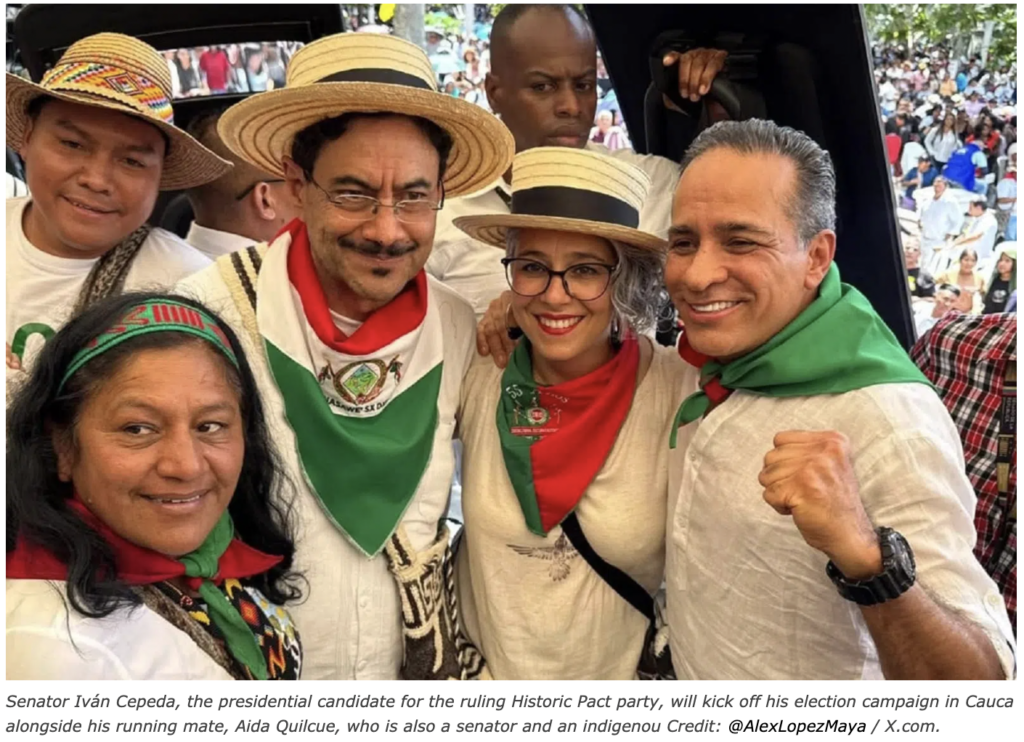
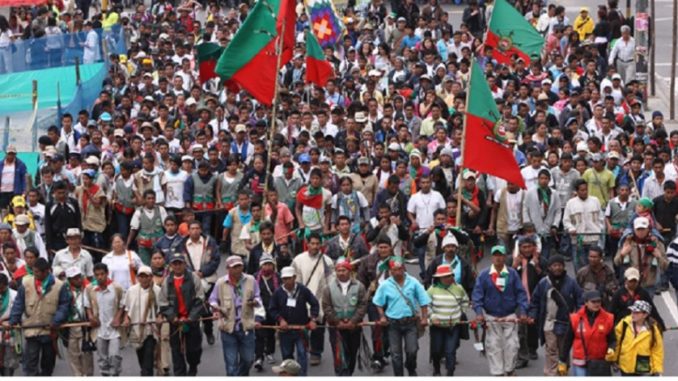
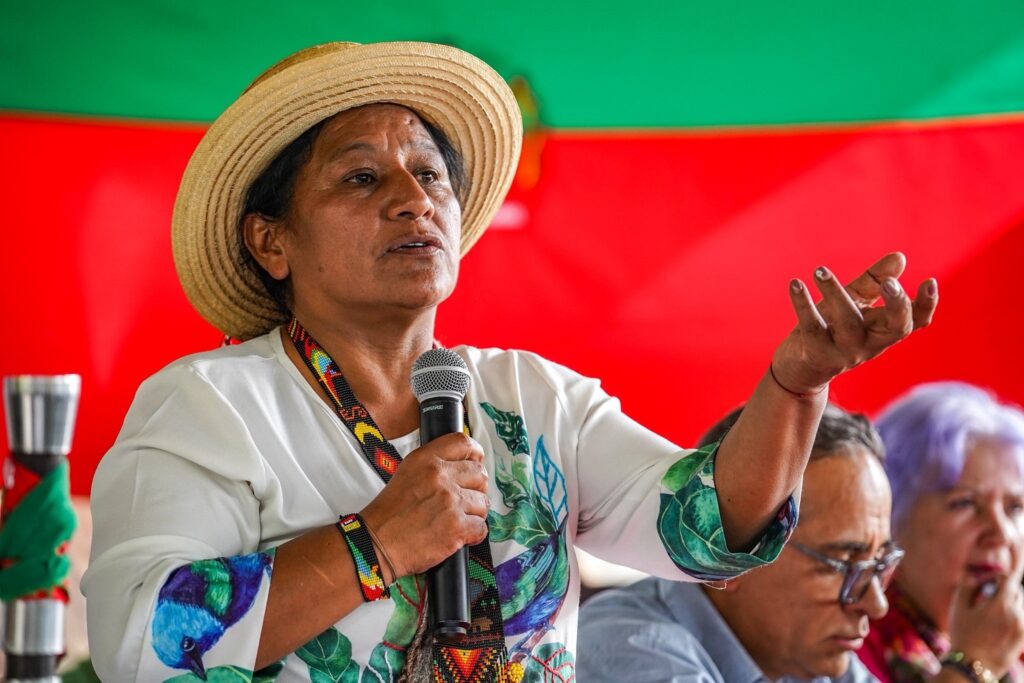
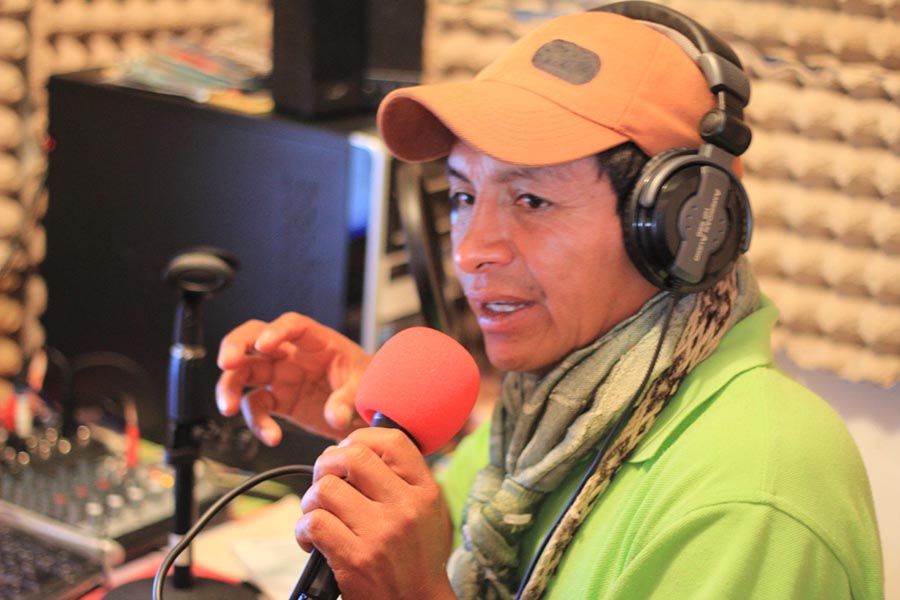
This project explores how the Nasa people in northern Cauca, Colombia use community radio as a form of communication rooted in their worldview of Buen Vivir (living well in harmony with the land and community). Through radio stations created by the Regional Indigenous Council of Cauca (CRIC), communication is not only about transmitting information but about sustaining culture, language, and collective identity.
The Paper
This research examines community radio as a form of “own communication,” where Indigenous knowledge systems challenge dominant Western communication models. It is argued that radio functions as a political and cultural tool that supports resistance, preserves the Nasa Yuwe language, and reinforces connections to territory. The study also highlights how communication operates within unequal power structures, showing that interculturality is not always harmonious but involves tension, negotiation, and transformation.
Relevant implications
Communication cannot be understood as neutral or universal. Instead, it is deeply connected to power, identity, and territory. The Nasa people’s use of radio demonstrates how technology can be transformed to serve Indigenous ways of knowing rather than replacing them. This has broader implications for intercultural communication studies, as it challenges dominant frameworks and emphasizes the importance of recognizing diverse epistemologies.
click the link to learn more
Biography & Interests
Angela Rojas
Angela Rojas is an Industrial Designer with a background in marketing and communication. Her interests focus on intercultural communication, visual storytelling, and the relationship between design and identity. She is particularly interested in how communication practices can reflect and support diverse cultural perspectives. In the future, she aims to integrate design and communication strategies to create meaningful and inclusive experiences.