Digital Colonialism in AI image-generation systems




09:15 AM – 10.15 AM, – Talk presentation
About the topic
Digital Colonialism in AI image-generation systems describes how tech companies from the Global North reproduce historical power dynamics by dominating digital infrastructure and narratives.
The Paper
This research investigates whether Generative AI image-generation systems reinforce Global North dominance through stereotypical representations of historically dominated countries. Utilizing Asante’s framework of the Western construction of knowledge, the research explores digital colonialism, where nations like the U.S. and China dominate AI infrastructure while treating the Global South as “data farms”. An analysis of ChatGPT and Gemini reveals that prompts for a “Mexican person” prioritize stereotypical archetypes and lower socio-economic roles, whereas “American” prompts yield modern, professional imagery. These disparities create “cultural mirages” that threaten local identities and risk psychological harm. To dismantle this cultural hierarchy, the study advocates for epistemic delinking and community-led data projects. Ultimately, it argues that marginalized nations must transition to active participants in technology development to achieve cultural sovereignty and global justice.
Relevant implications
This research identifies critical implications regarding digital colonialism in Gen AI image-generation systems. By concentrating infrastructure in the Global North, these systems reduce the Global South to “data farms,” extracting data and resources while fostering socio-economic dependence. This results in “cultural mirages” where AI prioritizes stereotypes over modern realities, universalizing Western-centric biases as “universal truths”. This distortion causes psychological harm and threatens the cultural integrity of future generations. To mitigate these risks, this paper advocates for epistemic delinking—integrating localized data—to transition from passive consumption to cultural sovereignty and global justice.
Click the icon link to learn more
Biography & Interests
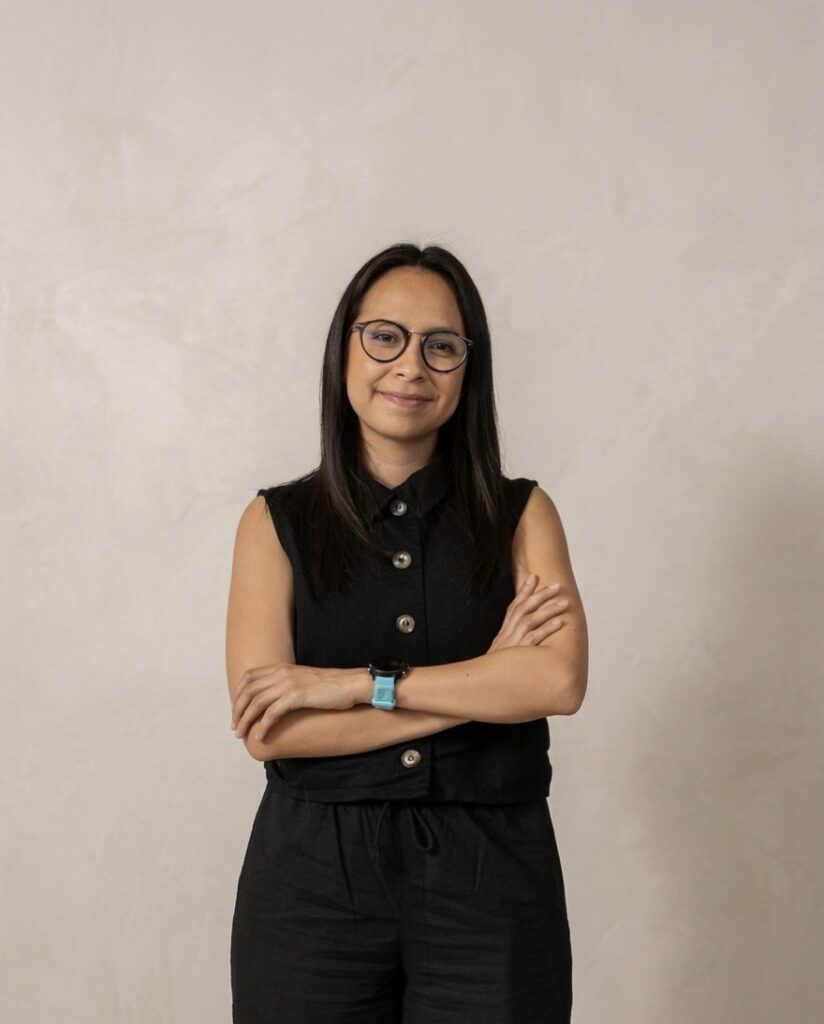
Maria Fernanda (Mafer) Méndez
Maria Fernanda (Mafer) Méndez is a communications professional with over seven years of experience in Public Relations. Before moving to Canada to pursue her MA in International and Intercultural Communication at Royal Roads University, Mafer collaborated with globally recognized firms like Edelman and Eureka&Co. During her time at Eureka&Co, she served as an account director, leading teams and managing high-profile technology accounts like Google and DiDi.
Mafer draws on her previous experience in communications to explore new perspectives within her MA in Intercultural Communication at Royal Roads. When she isn’t focused on her studies or professional projects, you can usually find her training for her next marathon or behind a good book.