Esptemic Justice in Intercultural Communication
About the topic
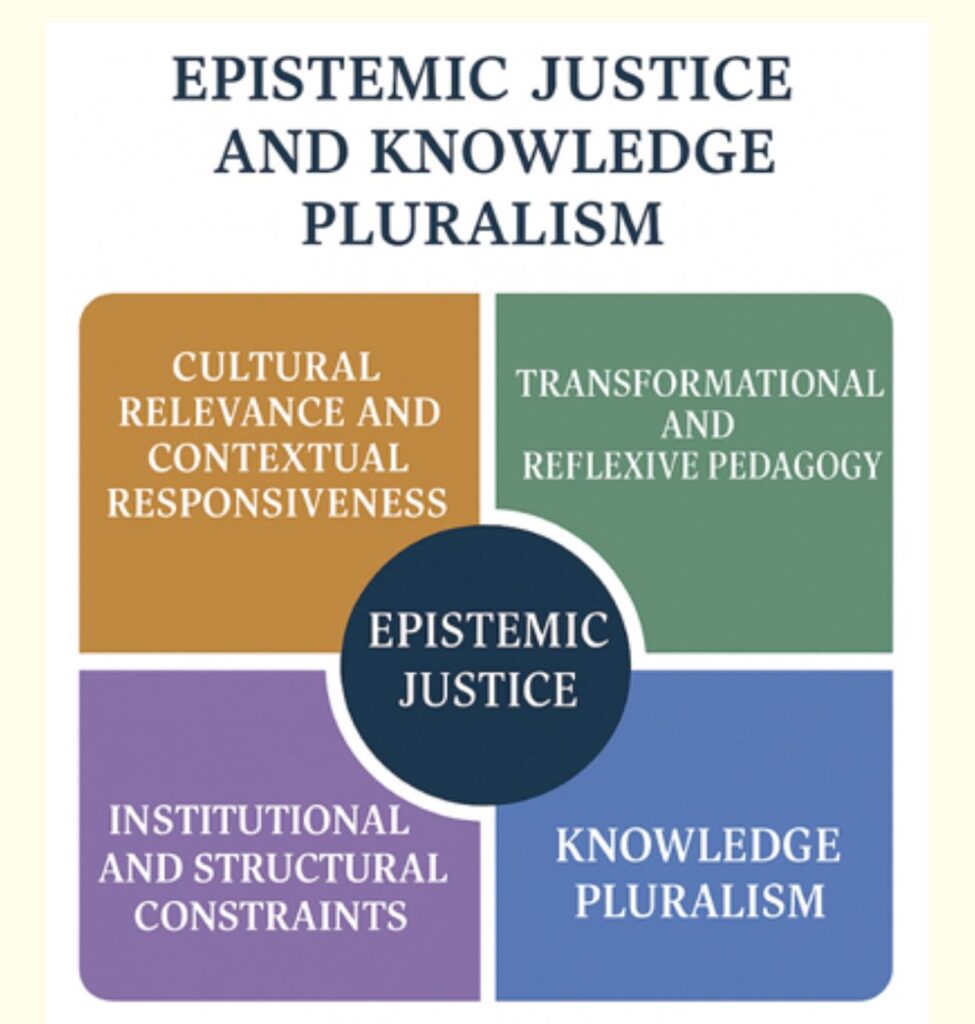
My topic explores epistemic justice and the need to de-Westernize intercultural communication. It focuses on how dominant Western frameworks shape what is considered valid knowledge, often marginalizing non-Western perspectives and voices.
The Paper
This paper critically analyzes how knowledge is produced, validated, and circulated within intercultural communication studies. It examines the role of power, particularly whiteness, in privileging Western ways of knowing while excluding or diminishing Indigenous, African, and other marginalized epistemologies.
The paper argues for epistemic justice by advocating for the inclusion and recognition of diverse knowledge systems. It also explores how de-Westernizing the field can lead to more inclusive, equitable, and authentic intercultural understanding.
Other Implications
The implications of this topic extend beyond academia into real-world intercultural interactions, education, and policy-making. Challenging dominant knowledge systems can help reduce bias, promote equity, and create space for underrepresented voices.
This work also highlights the importance of reflexivity—encouraging scholars and practitioners to question their own assumptions and the structures that shape knowledge production.
Click the icon link to listen
Biography & Interests
Hope Eziaku Nzeako
Biography and Interests
I am from Nigeria. I am a graduate student at Royal Roads University in Victoria, British Columbia, with a background in History and international relations. I also have professional experience in financial management and currently work as a caregiver supporting individuals with diverse needs.
My academic interests include intercultural communication, social justice, decolonization, and equity in knowledge systems. I am particularly passionate about amplifying marginalized perspectives and exploring how cultural and historical contexts shape communication and understanding.