
Difficult
Conversations
We are each on a journey to understanding the effects of trauma, and the legacies of patriarchy and colonization in ourselves and others. While learning and healing is an individual responsibility, creating a psychologically safe space is everyone’s responsibility. You can plan for creating a productive learning space that includes difficult conversations through designing, facilitating, and managing these discussions.
This resource aims to help build a learning environment where growth happens: a space that is trauma informed; respectful of cultural and gender issues; welcoming of neurodiversity and different abilities; and free from profiling and assumptions, and a space that tackles tough topics because being reasonably uncomfortable is where growth happens.
Title: Difficult Conversations [10:19 minutes] (RRU – Media Support Services)
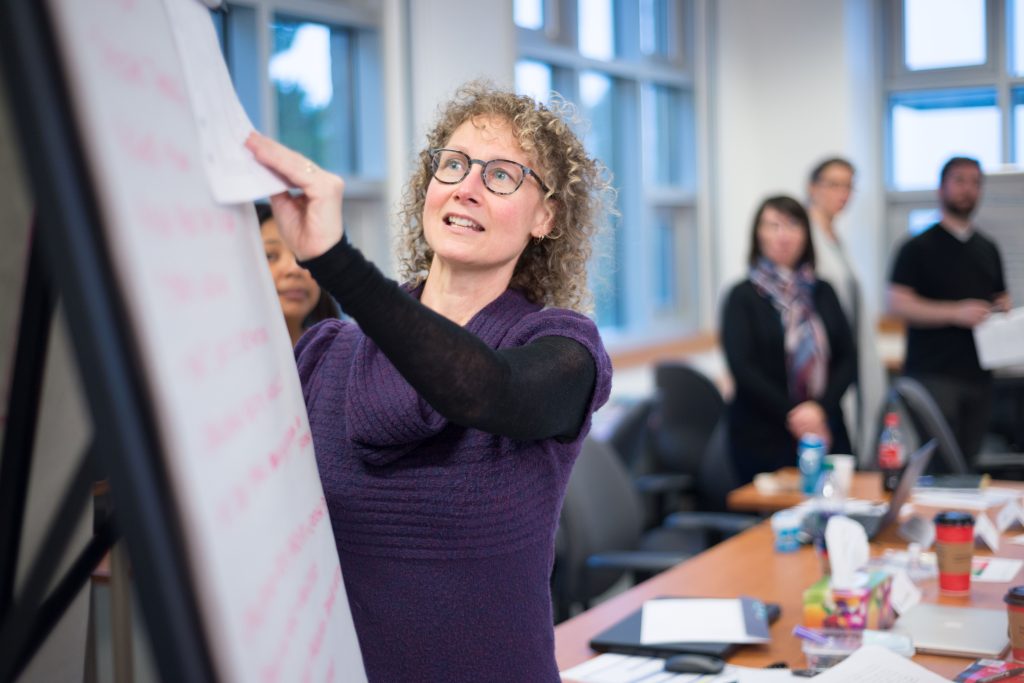
Course Design
If you plan to have, or think you might have, difficult conversations then it is worth setting your course up to support these discussions. There are a few design pieces you can use to make these conversations go more smoothly and set a specific tone and expectations to guide students before the discussions.
Facilitating Difficult Conversations
Difficult conversations don’t always involve sensitive topics, but can be part of any classroom discussion where students are passionate about the topic or that touch on aspects that the student feels nervous about. The discussions can be planned or unplanned. Setting your discussions up for a respectful environment can be key to creating an inclusive open classroom. There are a number of ways you can foster a successful discussion before, during and after.
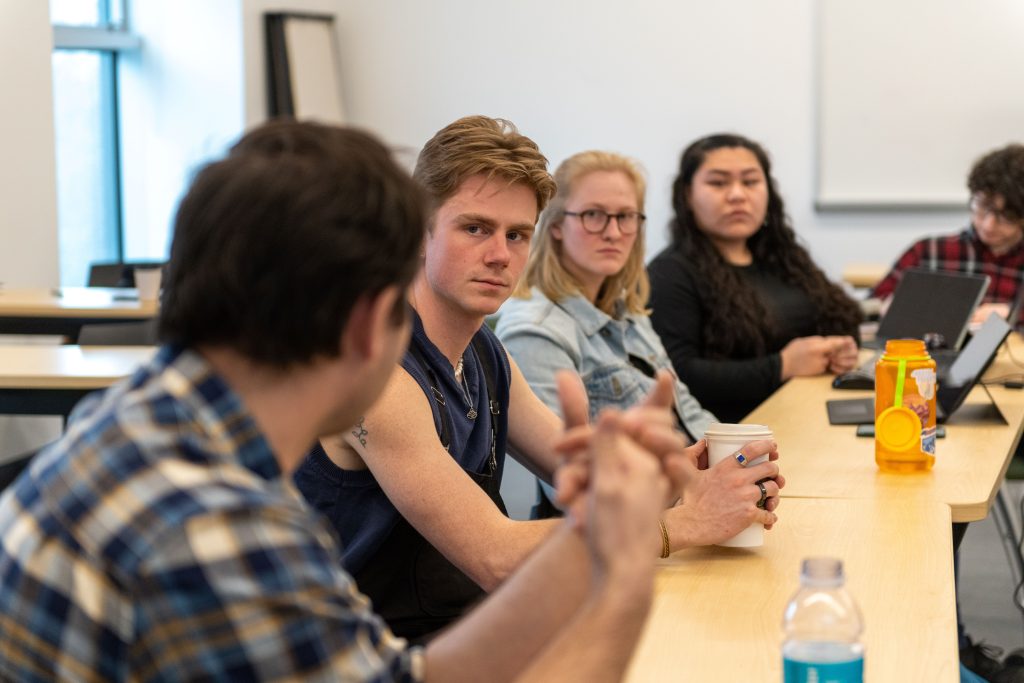

What to do if it goes off track
Sometimes students will react in unexpected ways when dealing with specific conversations and at times you may need plans to create a safe place. Learn more about how to recognize student distress, creating an exit strategy for students and yourself, and when and where to seek help.